 The original
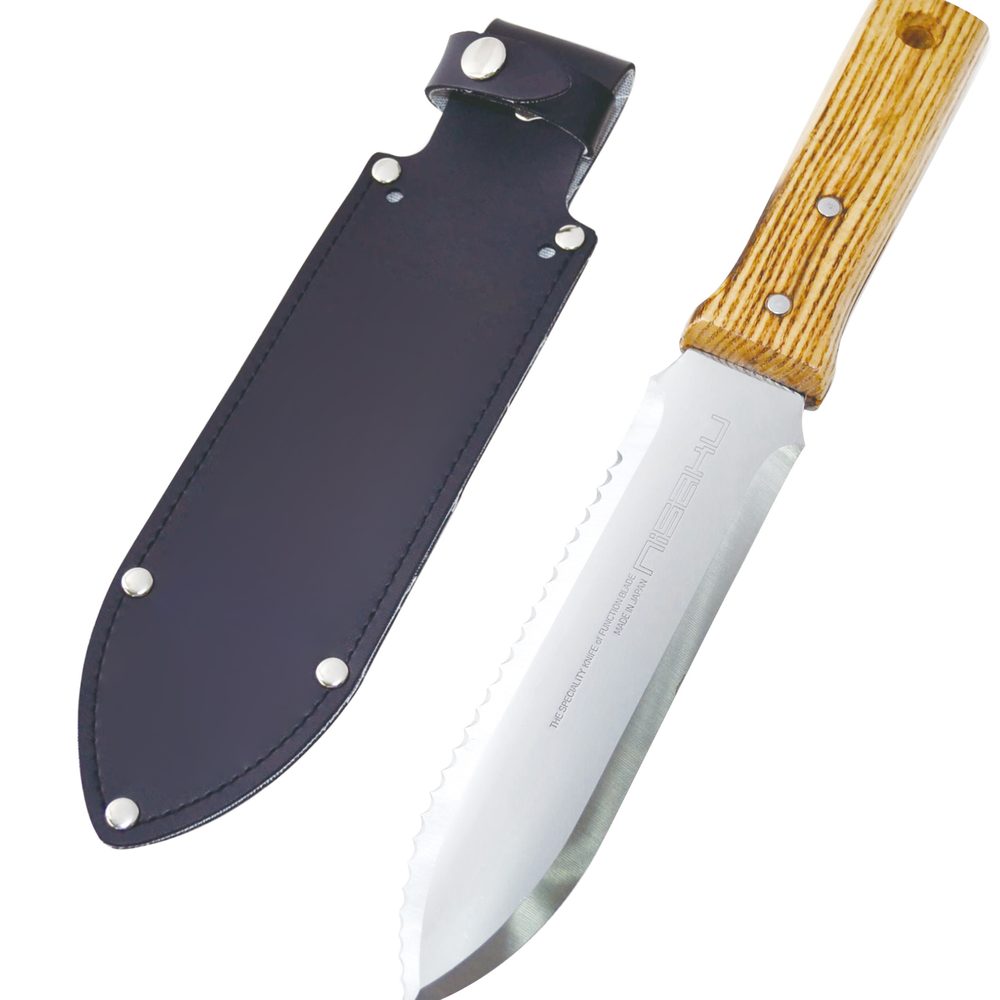
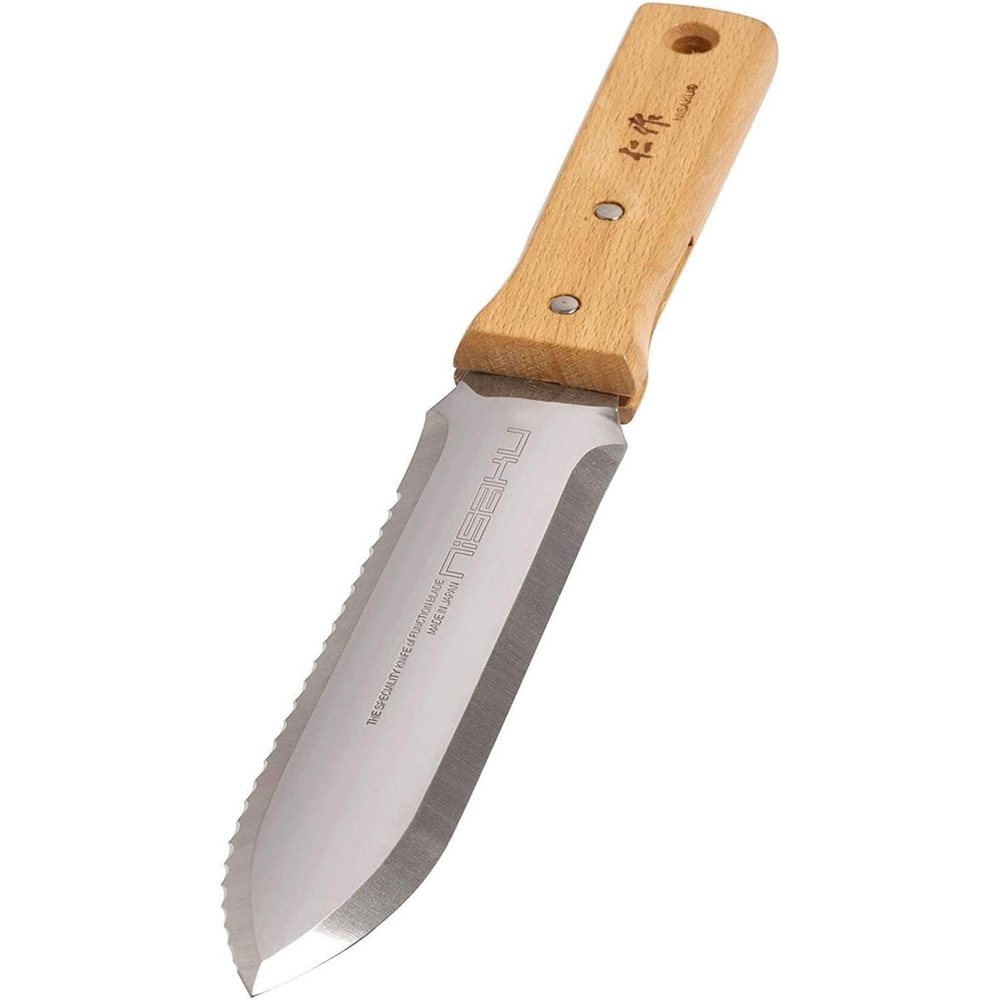
NJP650 Original Hori Hori Weeding Knife: the one gardeners lend and never get back
4.8(9,455)
$22.10

Made in Japan by Tomita, est. 1960 · Japanese stainless steel · Distributed in the US by Snow Joe + Sun Joe
Tomita stainless steel since 1960
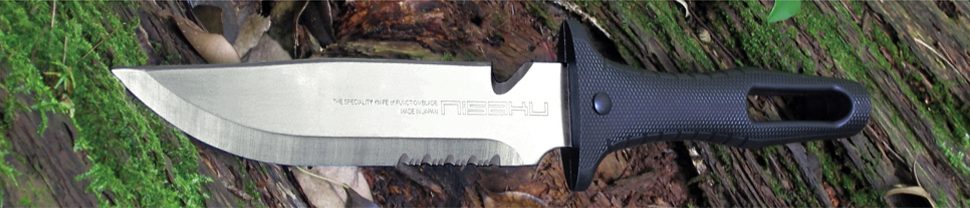
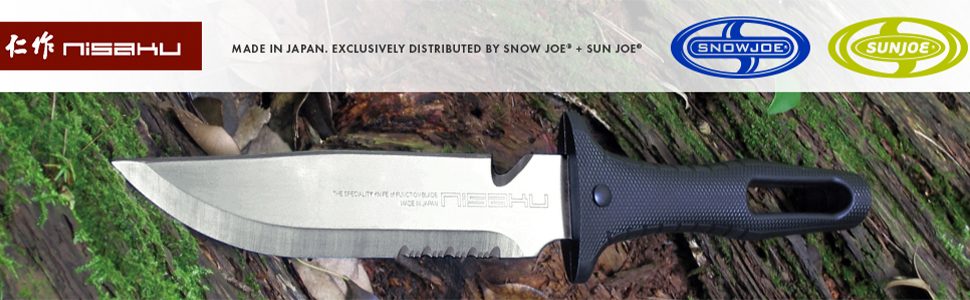
A Nisaku field knife on a bed of moss: Tomita stainless steel, made in Japan.
The original
4.8(9,455)
$22.10
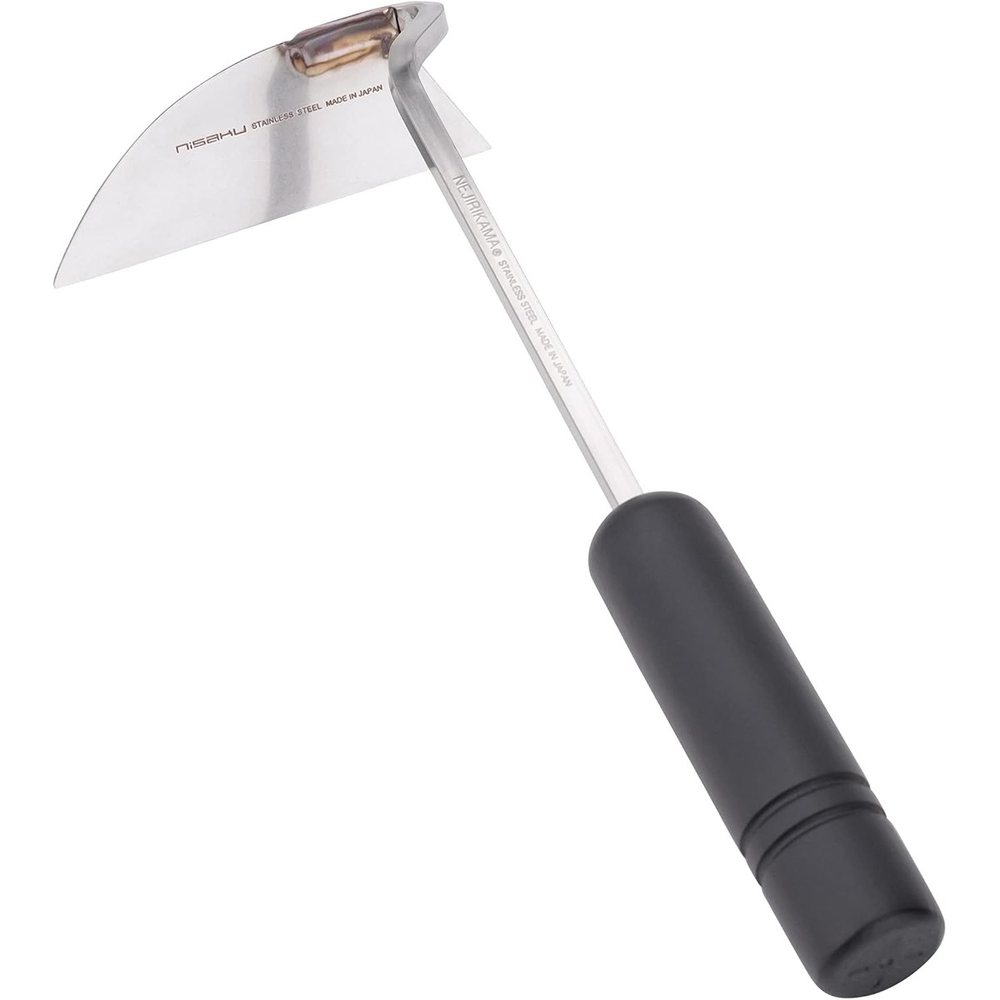 Bestseller
4.8(257)
$16.00
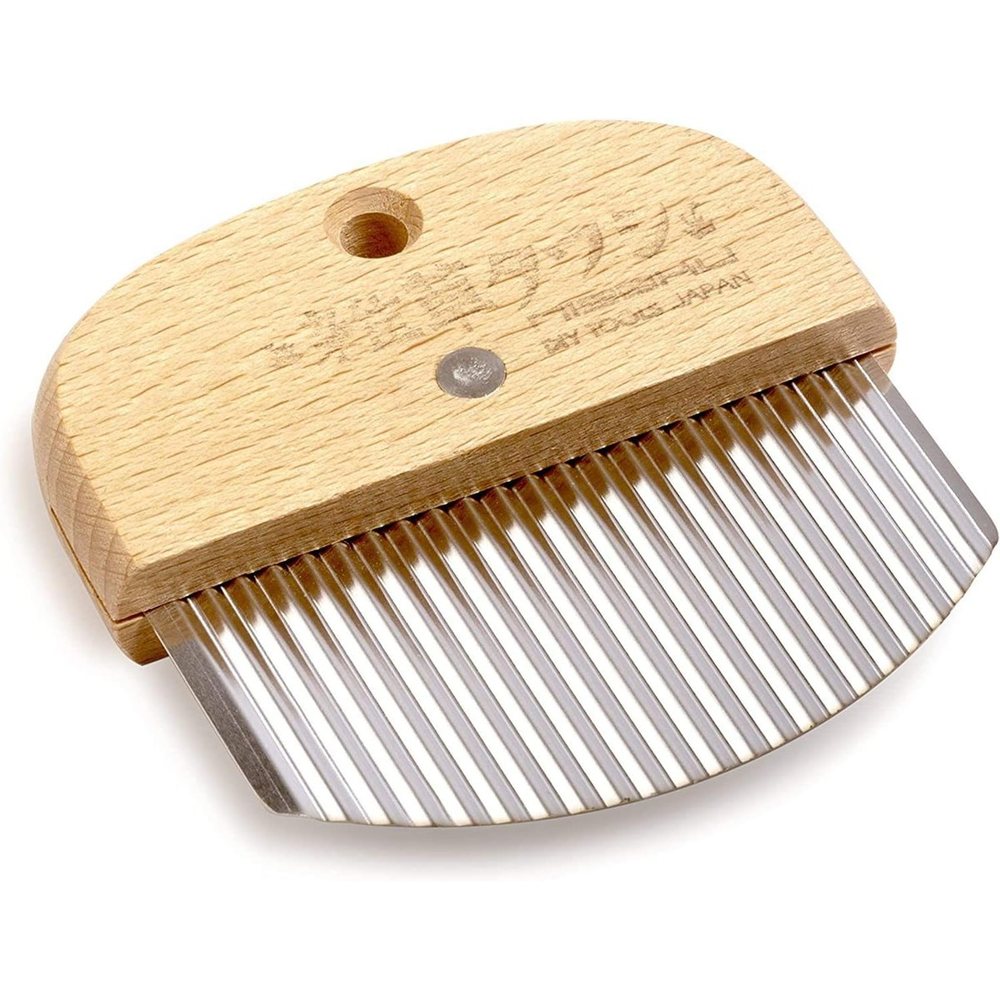 Bestseller
4.1(1,189)
$9.20
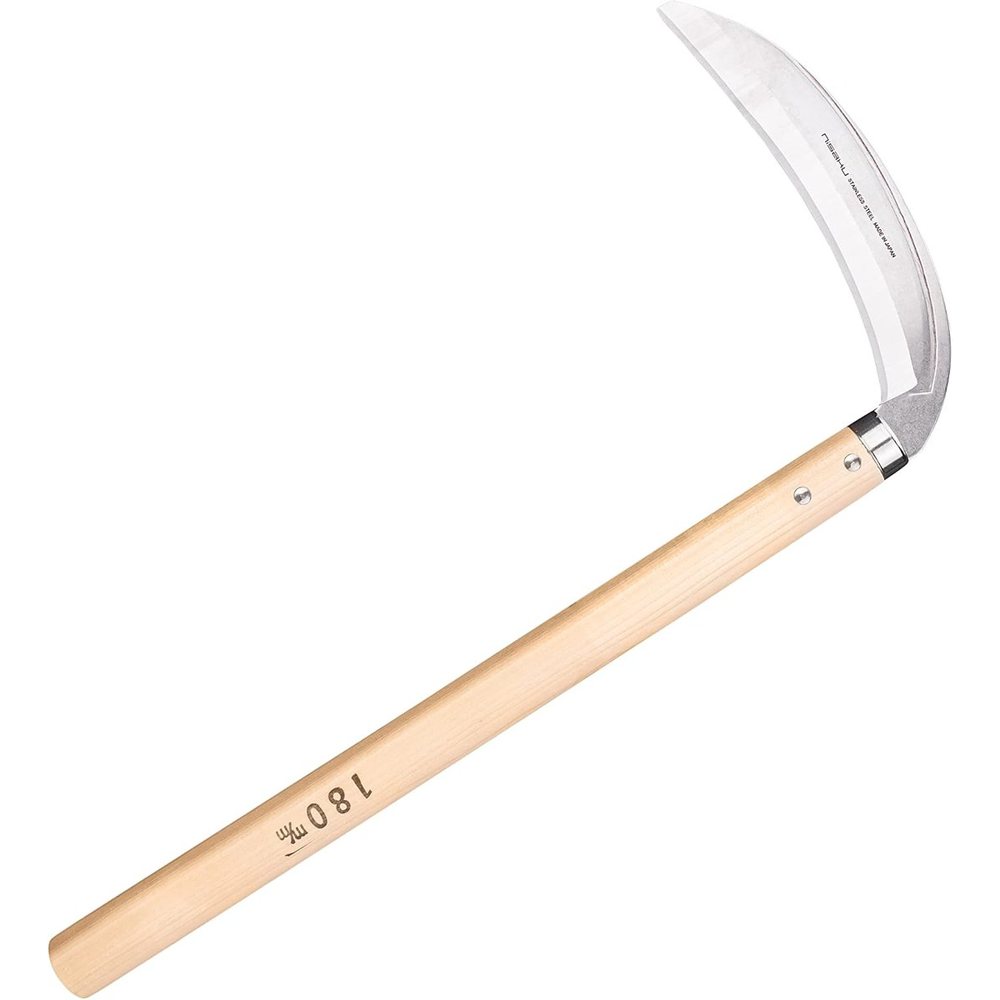 Bestseller
4.3(190)
$19.00
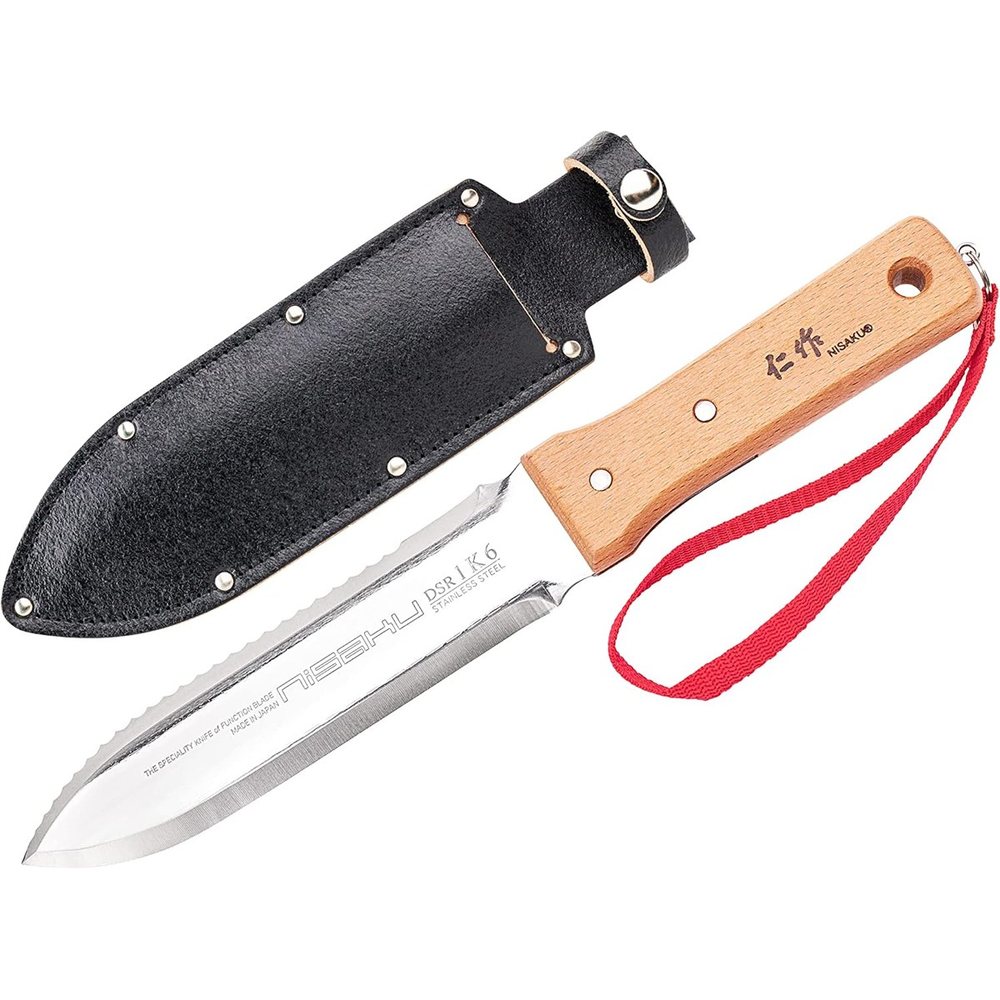 HRC58 hardened
4.7(460)
$32.60
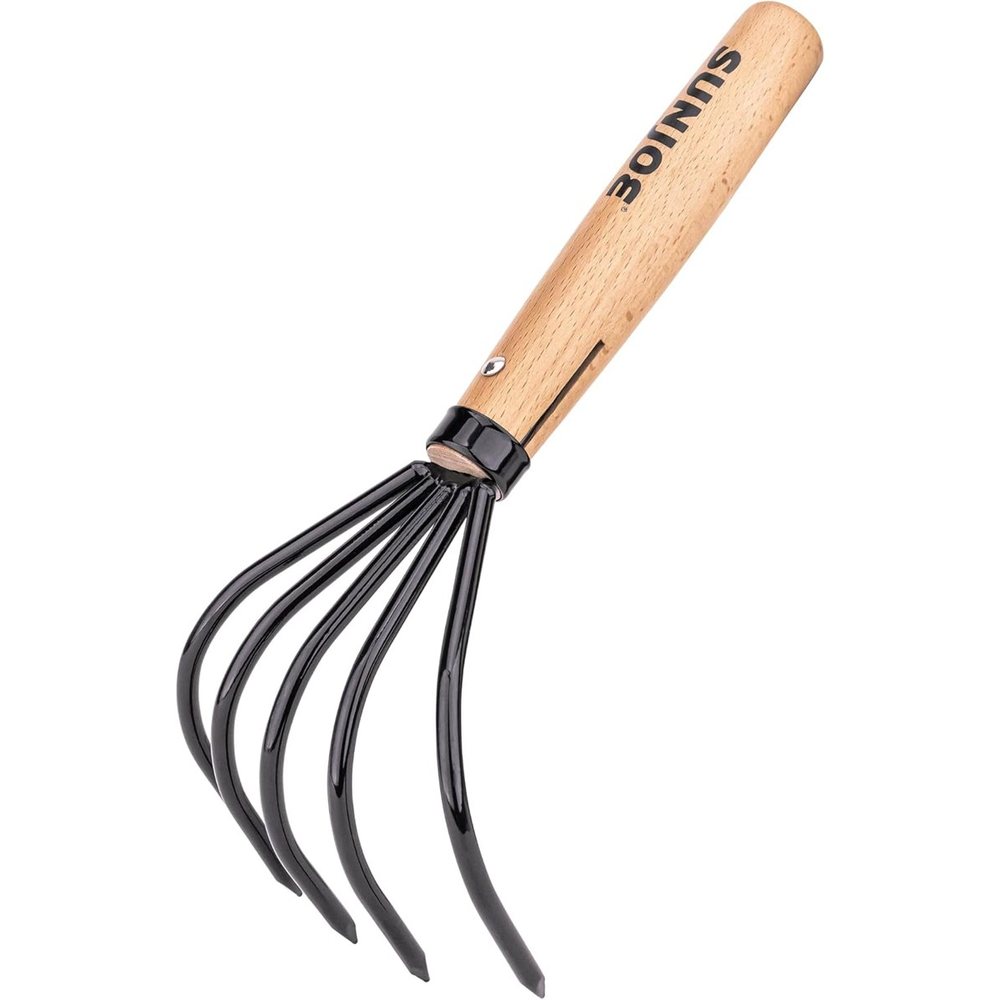 5 tines
4.7(607)
$15.78
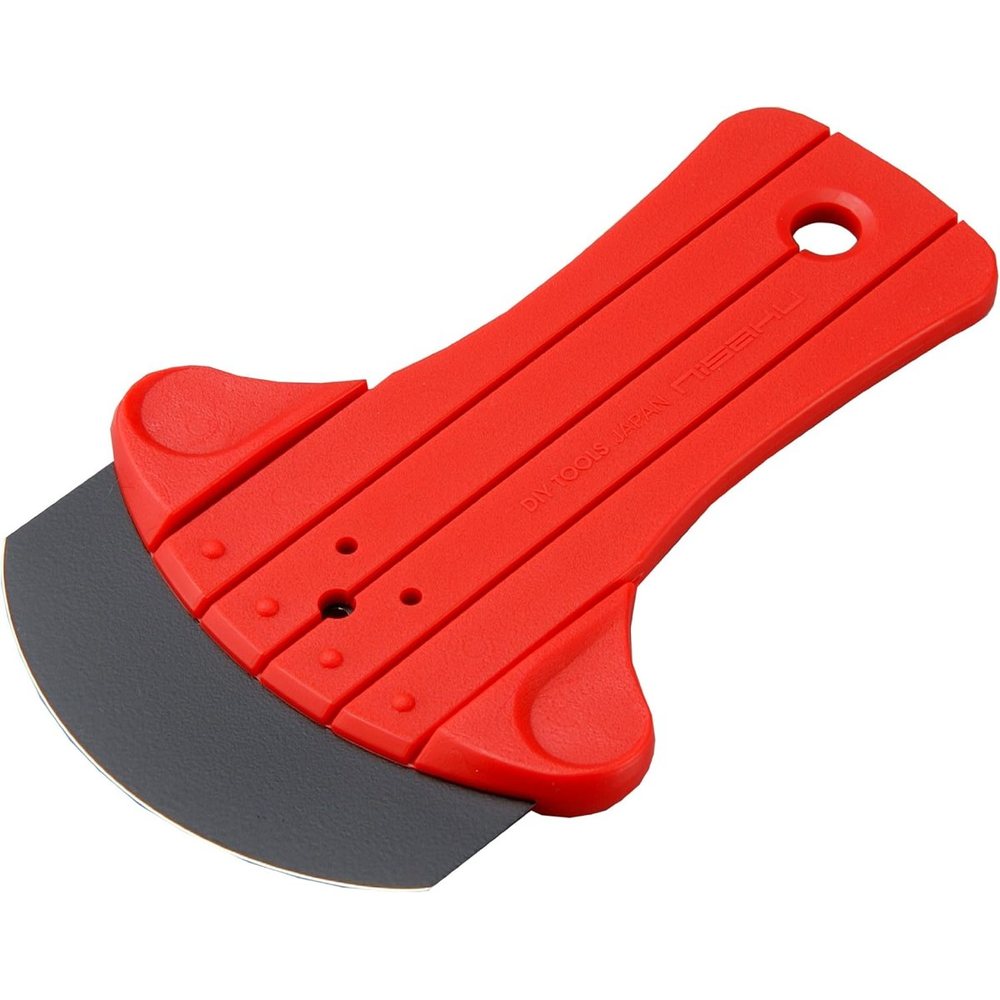 Flexible
4.3(54)
$15.00
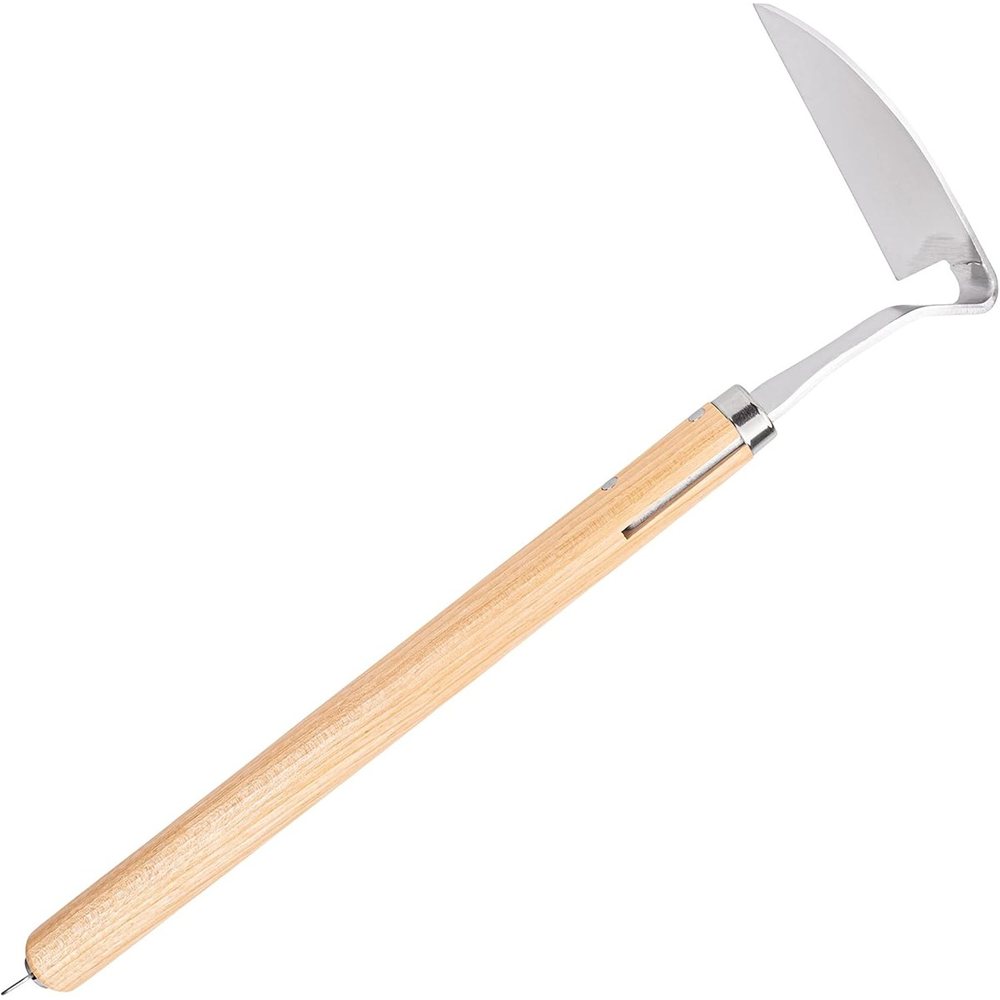 Stand-up hoe
4.5(388)
$55.00
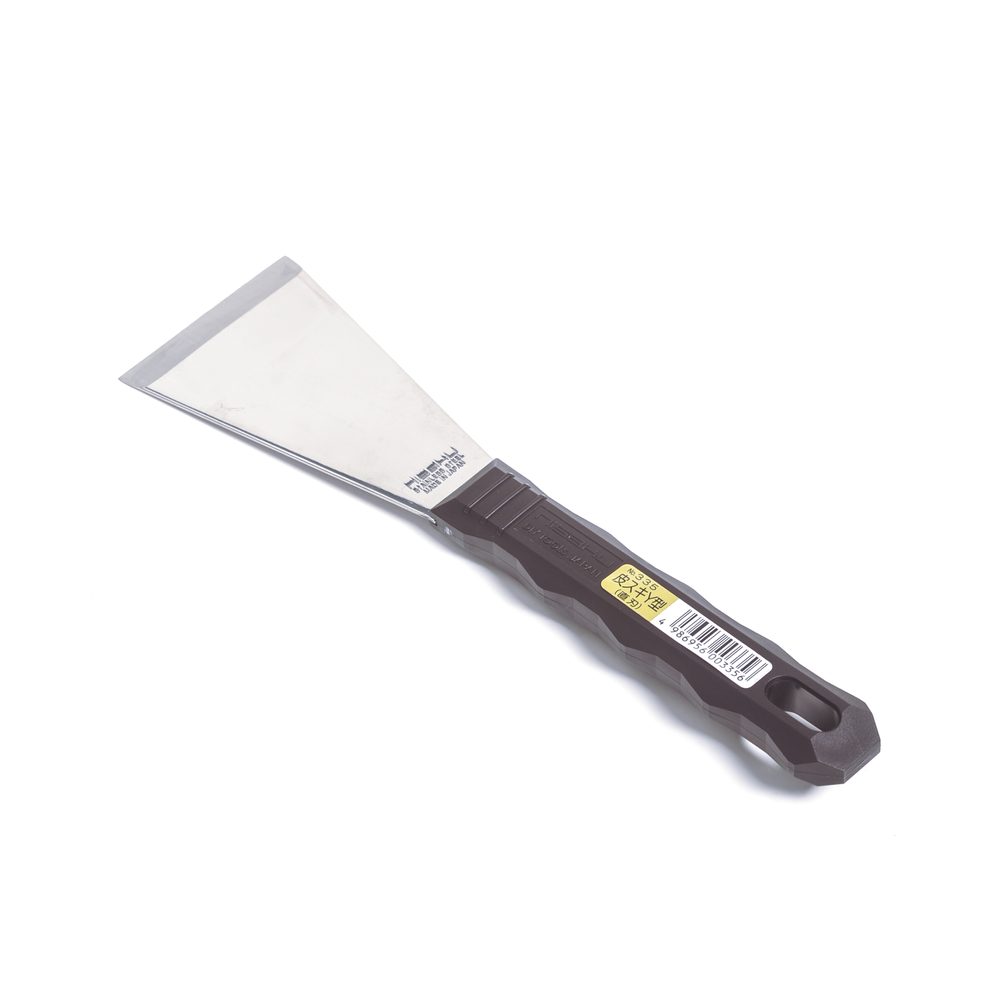
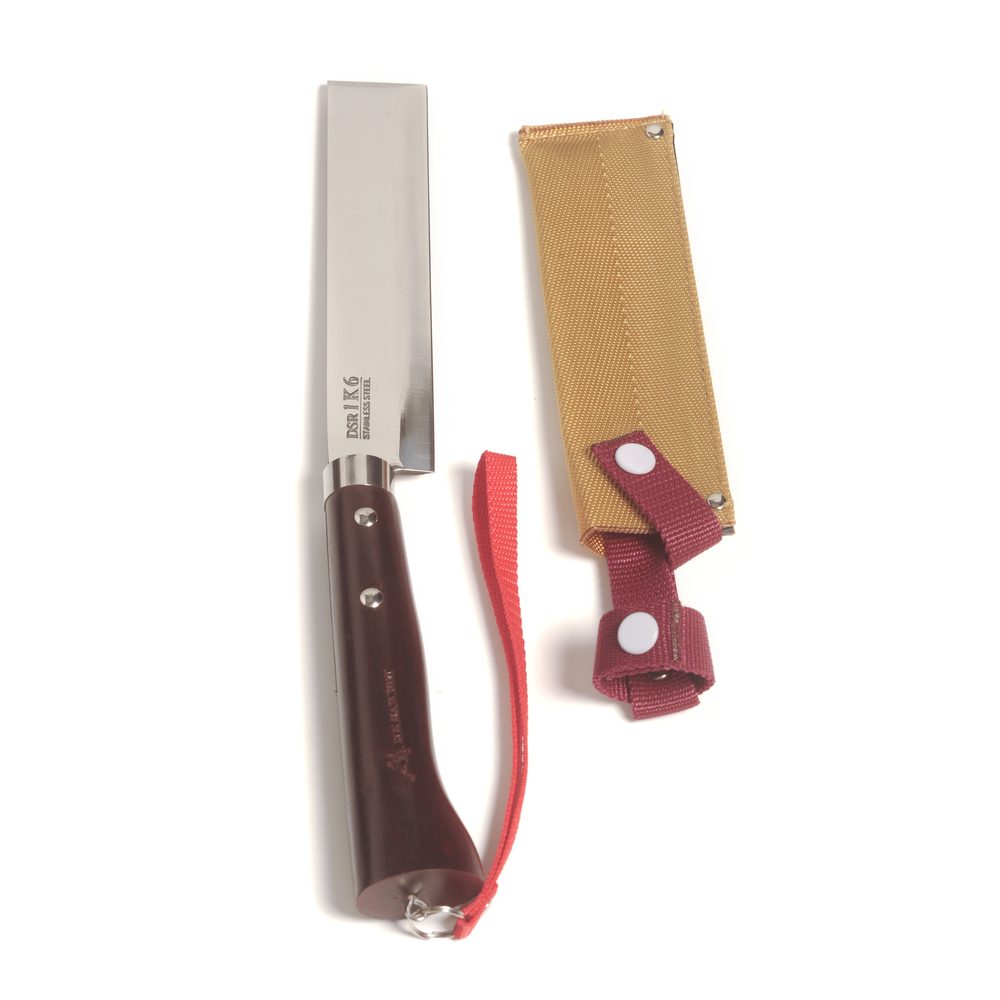
Nisaku tools are forged and ground by Tomita Cutlery, a Japanese blade maker established in 1960, from stainless steel that resists rust and scratches. Each hori hori knife, nejiri gama and crack weeder keeps the traditional Japanese pattern and adds modern precision: a sharp edge that holds, a handle that fits, and markings where you need them.
Read the Tomita story →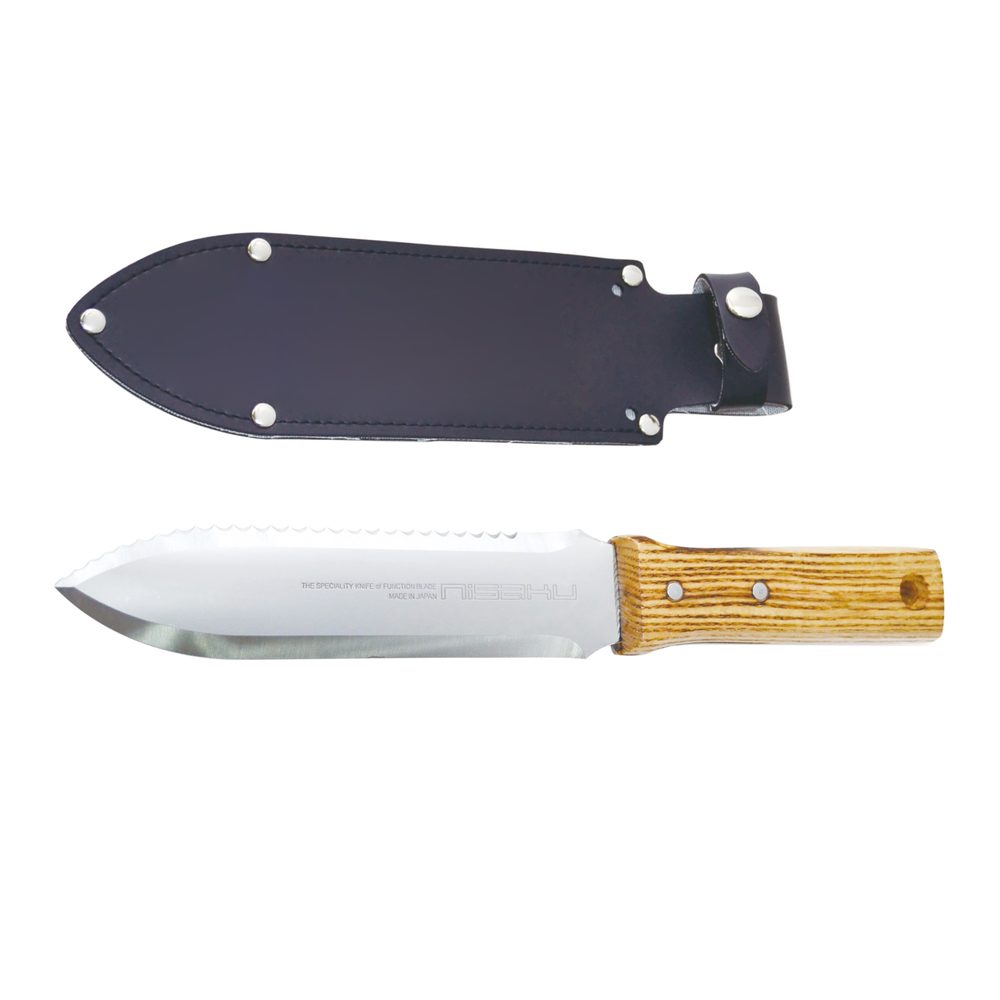
4.8 average on the NJP650 from 9,455 ratings
I Was Wrong - More Than Worth It
I was really skeptical about buying this but it was $5 so I figured why not ? When I got it, I was even more skeptical, it was small and seemed so flimsy. I thought for sure that using it against pavement would snap it in a heart beat. I WAS WRONG ! I have a motorcycle pad made with pavers, so I get the occasional weed growing around the edges.
This makes weeding actually enjoyable!
After the snow melted and rain finally stopped, I found my flower bed and vegetable garden full of thistles and dandelions that have grown to significant sizes. I was looking for an organic way to remove them & luckily came to learn about a tool called Hori Hori Knife. After doing a quick research on the internet, I've learned Nisaku is a producer of the best quality Hori Hori Knife.
Awesome tool
Terrific tool for weeding and planting. Very sharp edge - cut right through roots and soil.
Surprisingly effective
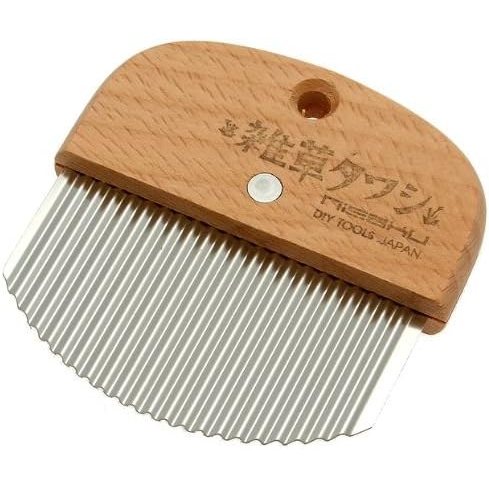
I’ve tried using trowels and pressure washers, and this thing beats them all. Hands down. I think the corrugation is the key. It makes quick work of severing or dislodging the greenery that insists in growing in my driveway and pool deck cracks/crevices/seams. I’m really impressed with how quick and easy that was. It showed up this afternoon, and I had all my cracks cleared, front and back, in about 10-15 minutes.
Perfect tool for the garden bag
I used this recently to spread manure. It helped me pierce the bag and cut it open. Easy enough my son helped. The sheath it great because it needs a place to call home. The blade looks the same as the day we bought it so I think it will last, and with the serrated style edges, it’s versatile too.
This tool makes a job that was tedious and messy, easy and quick.
I bought this after trying all the other models which are well made and sufficient - I even bough a few of them to give to friends. I mostly bought this one to have so that I can be comfortable lending it out. Usage note: if your sidewalks are old and the joints are rough or un-even this will still do the job. Do not use force. Pressing harder will work less well on uneven joints.
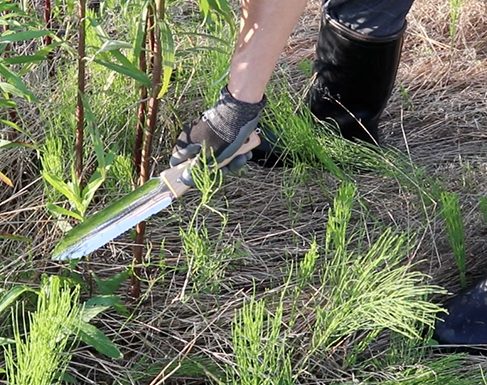 What is a hori hori knife?A hori hori knife is a Japanese garden knife with a concave stainless steel blade, one straight edge, one serrated edge and depth markings. Here is…
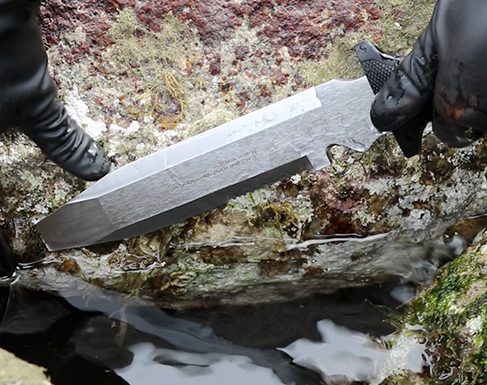 Choosing a Nisaku hori hori knifeThere are eight Nisaku hori hori knives on the peg wall, and they are not the same knife in different boxes. Blade hardness, handle, sheath and…
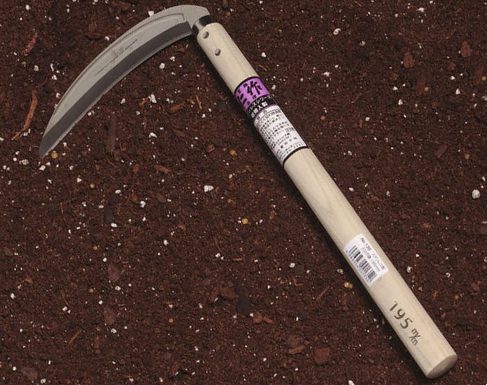 Japanese garden tools explainedJapanese garden tools look simple and work differently. Thin, hard blades, short handles and pulling strokes come from small, intensively worked…
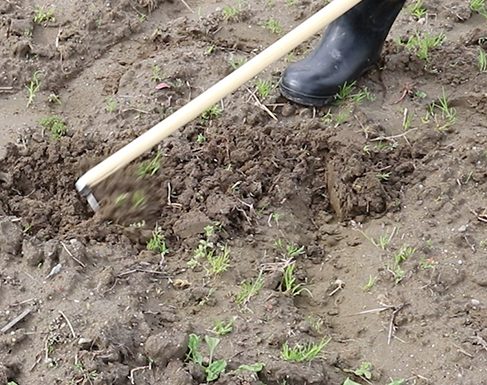 How to use a nejiri gama Japanese hand hoe weederThe nejiri gama is the Japanese hand hoe weeder that makes weeding feel like sweeping. Used right, this lightweight garden tool shaves weeds off at…
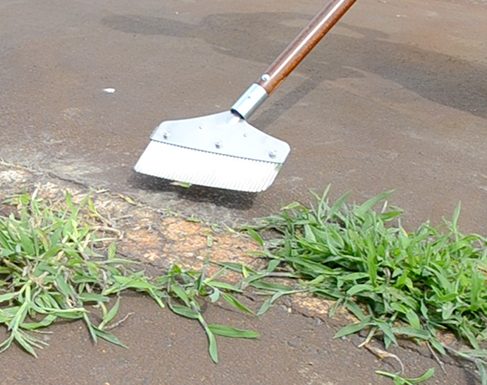 Weeds in sidewalk cracksSidewalk cracks and paver joints are the hardest places in a garden to weed and the easiest to ignore. A corrugated Japanese crack weeder cuts weeds…
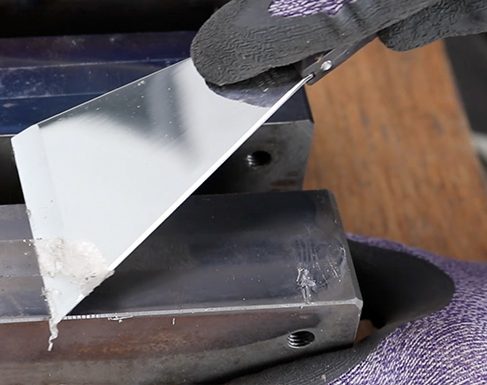 Caring for Japanese stainless steelWondering how to keep your tools sharp? Japanese stainless steel is forgiving, but a few habits keep a Nisaku blade sharp and bright for decades…
Customers who purchase a Nisaku hori hori knife usually find it becomes the most reliable tool in the garden bag. It digs planting holes, divides flower clumps, cuts roots and twine, and the inch markings show bulb depth. The design began with the Matagi hunters of Japan; the company that makes it today, Tomita, has kept that tradition since 1960 and added modern precision.
Every blade is ground from stainless steel for rust resistance and durability, and the special editions are hardened to HRC58. The result is a versatile, sharp edge designed for years of work: a blend of craftsmanship and innovation that gives an exceptional experience in the hand, season after season.
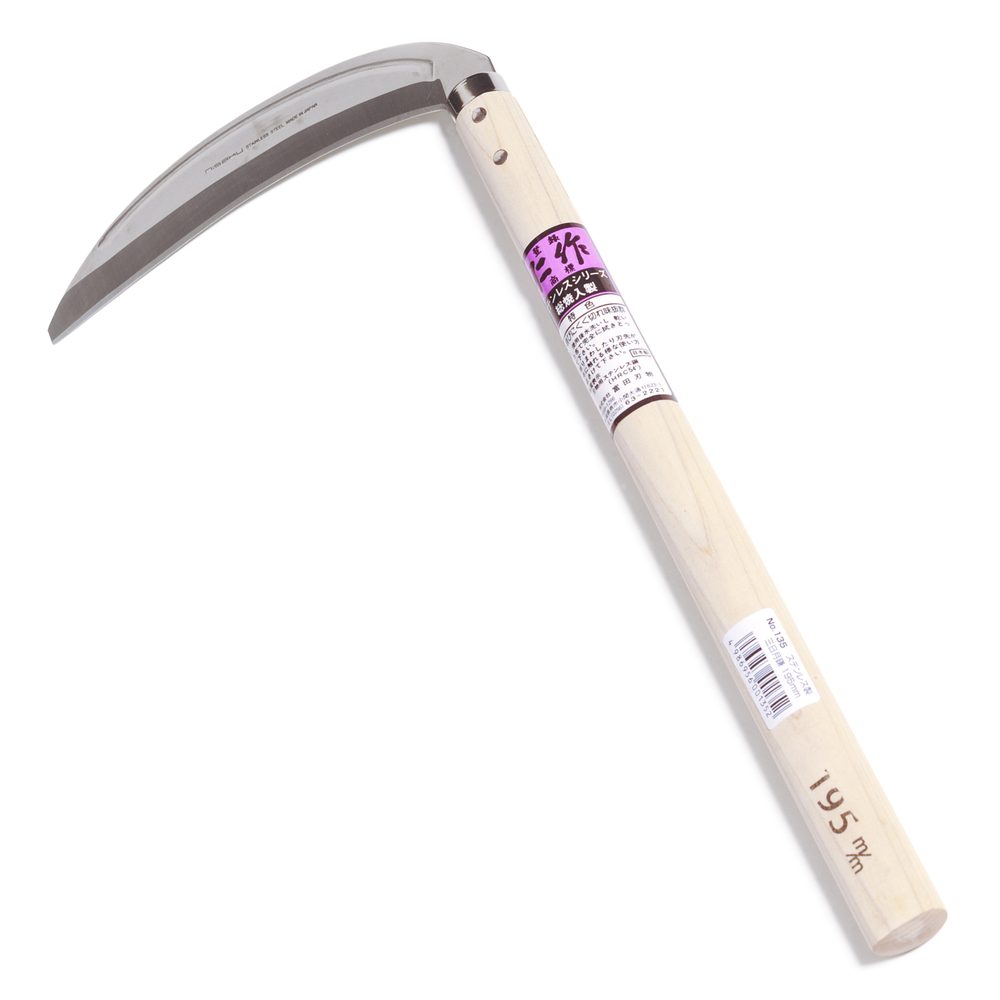
Next to the hori hang the nejiri gama hand hoe, claw cultivators, crack weeders, sickles, scrapers and kitchen knives. Pick the tool for the job, give it a little care, and it will stay on its peg for good.
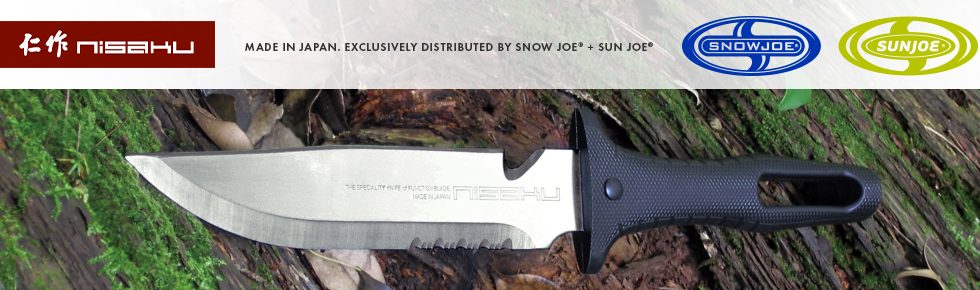
A hori hori knife is a Japanese digging knife. Gardeners use it to dig planting holes, transplant bulbs and seedlings, divide perennials, cut roots and twine, and lift weeds with long tap roots. The inch markings on a Nisaku blade show planting depth.
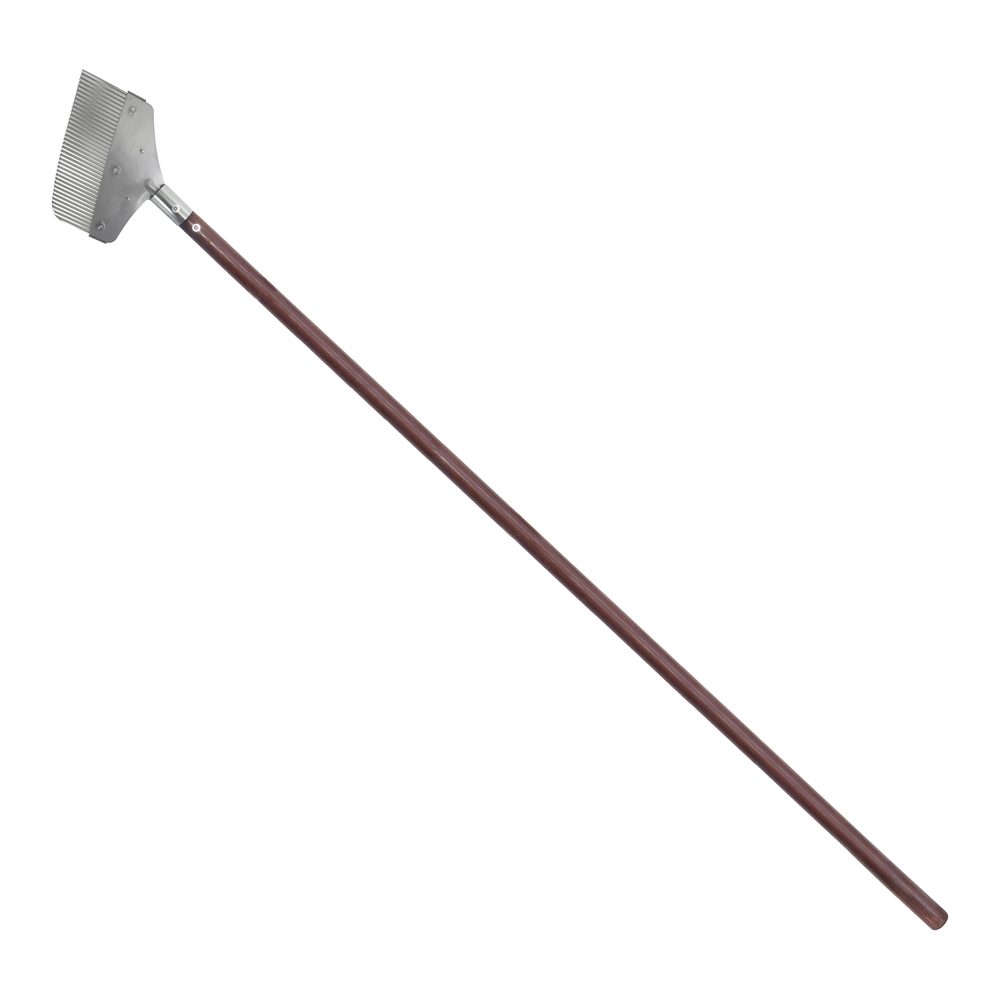
The NJP650 is the original and the most popular. If you work rocky or rooty soil, the NJP651 and NJP801 are hardened to HRC58 and hold an edge longer. The No. 6550 full tang and the No. 6800 full metal versions are the strongest builds.
Yes. Nisaku tools are made in Japan by Tomita Cutlery, established in 1960, from Japanese stainless steel. In the United States they are distributed by Snow Joe + Sun Joe.
Japanese weeders are hand tools with a thin, sharp blade that cuts weeds at or just under the soil line. The best known is the nejiri gama, a hand hoe with an angled blade used with a pulling stroke. Crack weeders with corrugated blades are made for sidewalks and pavers.
A hori hori is a gardening tool. Carry it in its sheath, keep it in the garden bag or on the peg wall, and check local rules if you plan to carry any fixed blade in public.
Clean and dry the blade after each use, and touch up the edge with a fine whetstone or diamond file a few strokes at a time. Serrated edges are sharpened tooth by tooth with a tapered rod.
Start with the knife that started it all, then add a hand hoe and a crack weeder. Most gardens need no more.