
Choosing a Nisaku hori hori knife
From the whetstone · October 2026
There are eight Nisaku hori hori knives on the peg wall, and they are not the same knife in different boxes. Blade hardness, handle, sheath and construction change what each one is good at. This is how to choose.
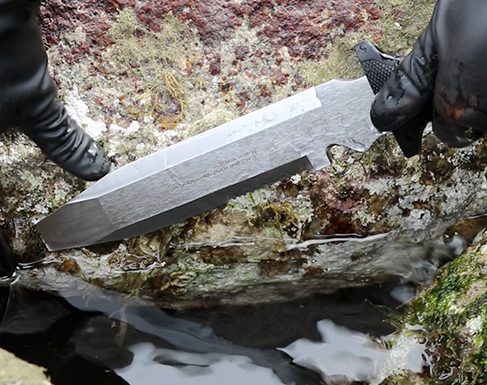
Start with the NJP650 Nisaku hori hori knife
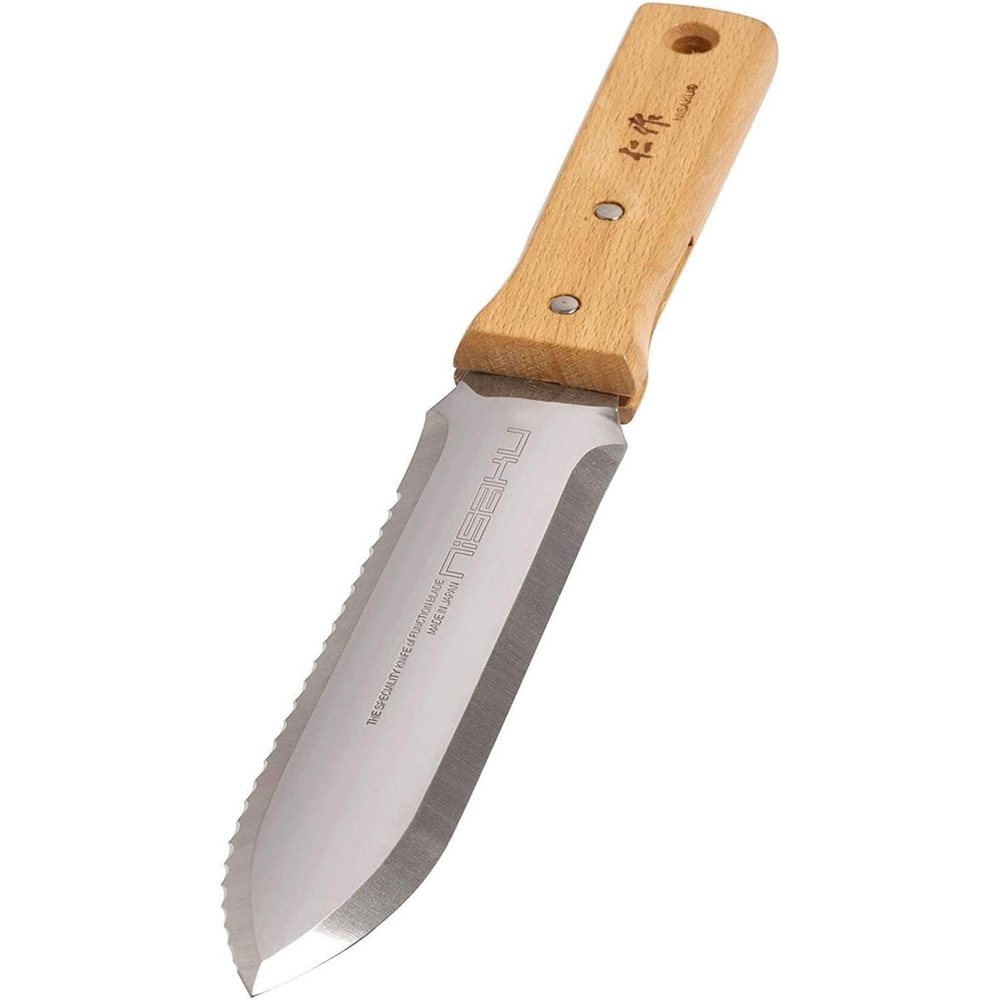
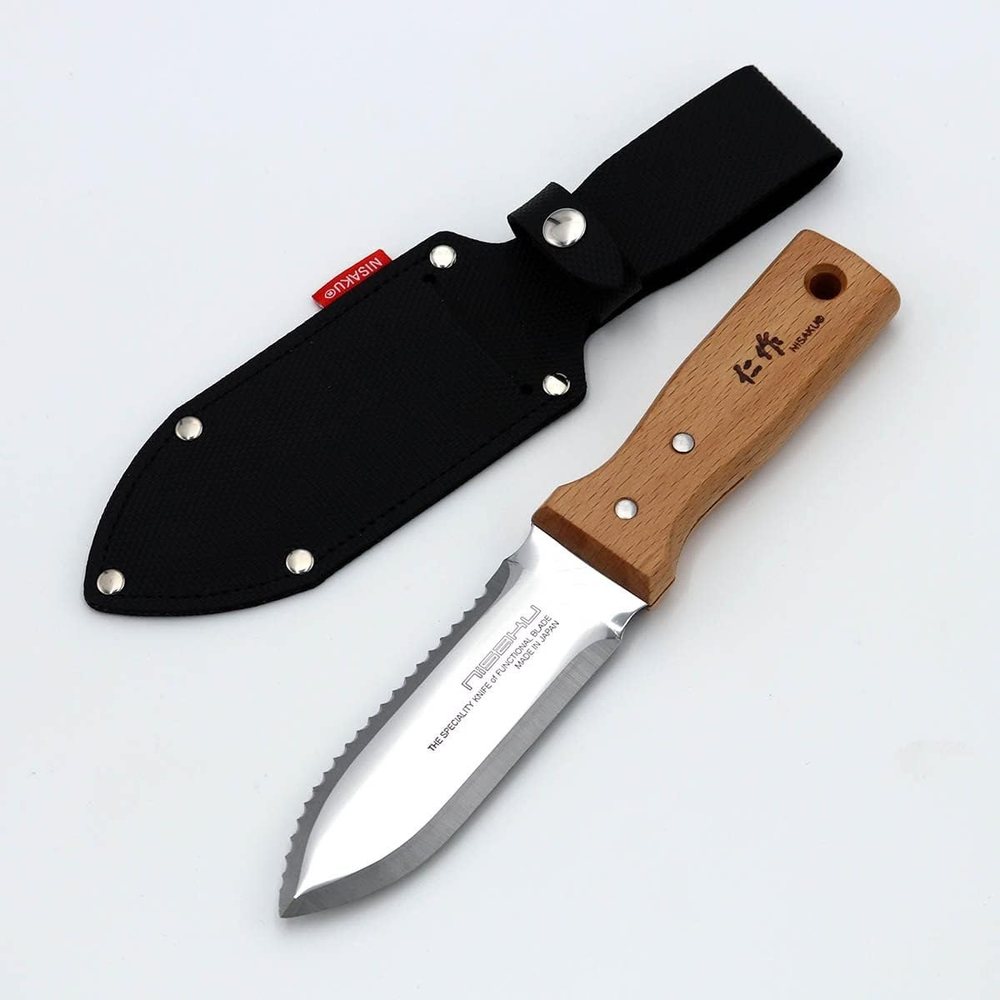
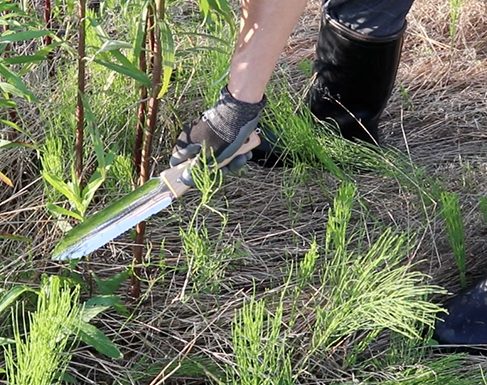
The NJP650 is the original Nisaku hori hori knife and still the one most gardeners should buy first. Its 7.25-inch Japanese stainless steel blade has a straight edge and a serrated edge, inch markings for planting depth, and a comfortable 5.25-inch wood handle. The blade length, size and weight, about 10 oz, make it a garden knife that does every job: digging, weeding, planting, and the cut through roots and dirt that a trowel cannot make. There is a reason it has become the favorite garden tool of so many people around the world.
What every model shares
Each Nisaku model is made by Tomita in Japanese stainless steel, which keeps rust away, and each blade has the same basic shape: a concave scoop with a sharp side and a serrated side. Keep it clean, sharpen it now and then, and with a little care any of them will last for years. The differences are in hardness, grip and what comes with the knife.
When to step up to HRC58
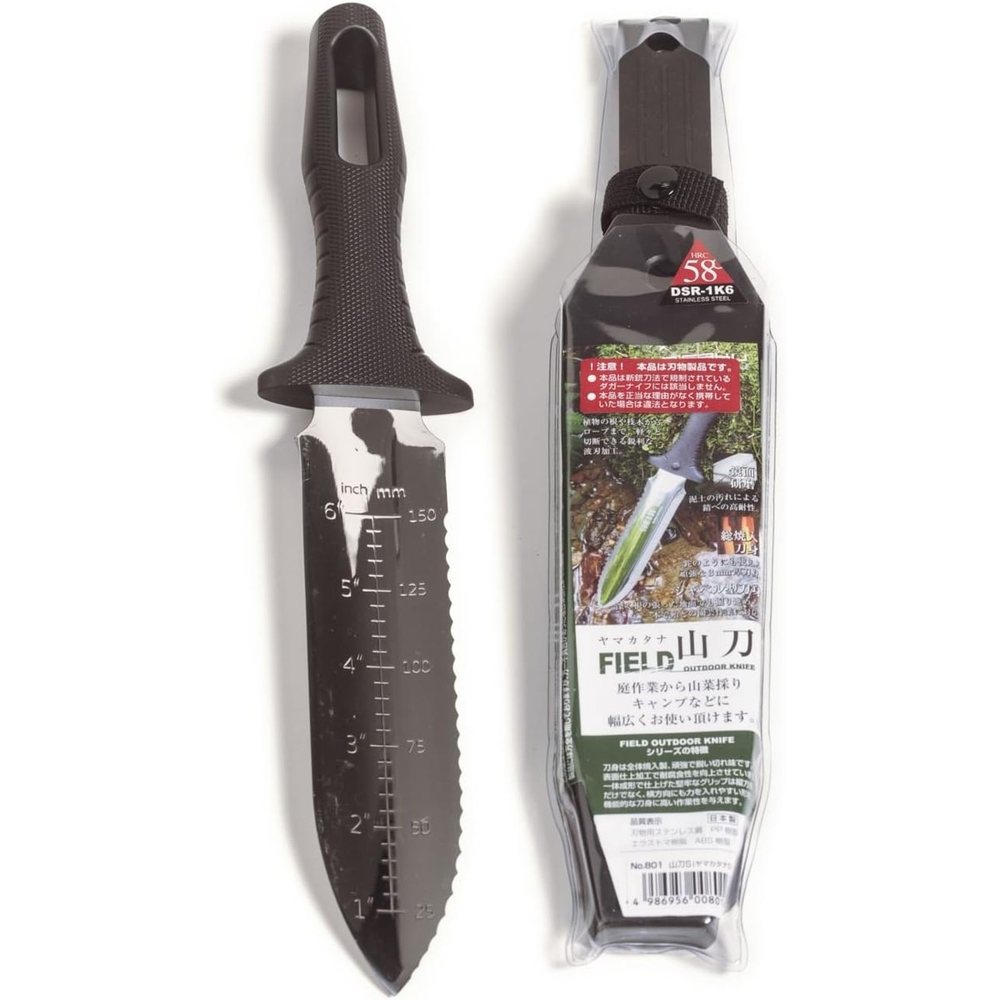
The NJP651 and NJP801 are hardened to HRC58, the hardest blades in the Nisaku hori line. A harder blade holds a sharp edge longer in sandy, gritty and stony soil, which wears steel quickly. The NJP651 has a wood handle, a wrist lanyard and a premium leather sheath; the NJP801 Yamagatana S has an ergonomic plastic handle that does not mind rain and rinsing.
Sheath options
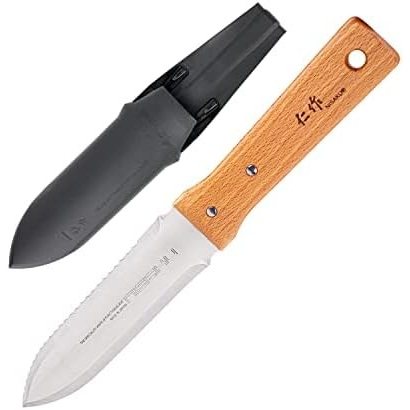
- Leather sheath: NJP651, No. 6550 (black), No. 6800
- Hard plastic sheath that sheds water: NJP6510
- Plastic grip for wet work: NJP801, No. 8214
If your knife lives on a belt in wet grass, plastic and hard sheaths are the easier companions. If it hangs on a peg in a dry shed, leather ages beautifully.
Prying and levering
Every hori digs, but not every hori should be used as a crowbar. The No. 6550 is a full tang knife: the shaft runs through the grip, and it is built stronger than the No. 6500. The No. 6800 is a one-piece full metal knife, fully quenched, made fukuro style with no joints at all; its hollow grip even takes a wooden stick in an emergency. These two are for rocky ground, old lawns and heavy daily use.
Small hands, small spaces
The Yamakodachi No. 6200 is a short hori hori, about 0.22 kg, with the same straight and serrated edges. It suits containers, balcony gardens and anyone who finds a full-size knife too long.
A quick decision
- Everyday gardening: NJP650
- Stony or sandy soil: NJP651 or NJP801
- Wet conditions and belt carry: NJP6510 or NJP801
- Prying and heavy use: No. 6550 or No. 6800
- Containers and pockets: Yamakodachi No. 6200
 What is a hori hori knife?
 Japanese garden tools explained
 How to use a nejiri gama Japanese hand hoe weeder
 Weeds in sidewalk cracks
 Caring for Japanese stainless steel