 Bestseller
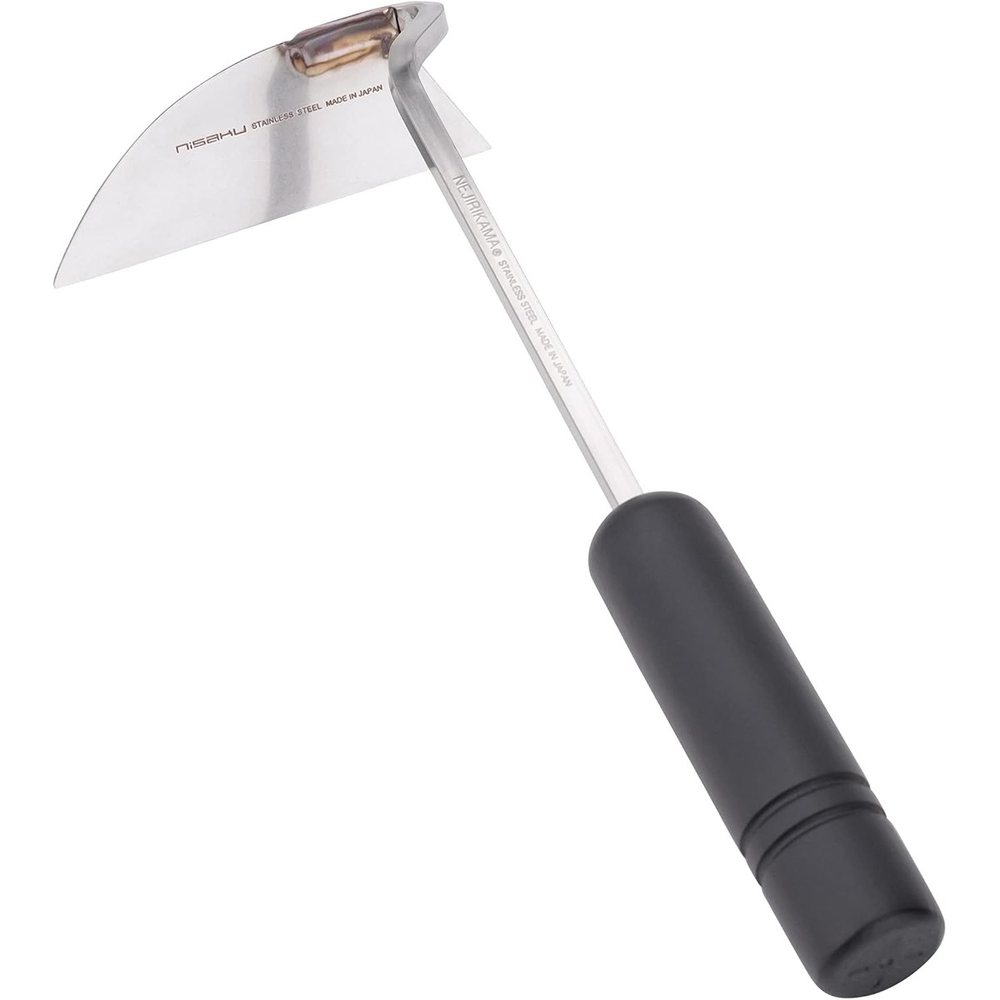
NJP100 Nejiri Gama Hand Hoe
4.8(257)
$16.00

Made in Japan by Tomita, est. 1960 · Japanese stainless steel · Distributed in the US by Snow Joe + Sun Joe
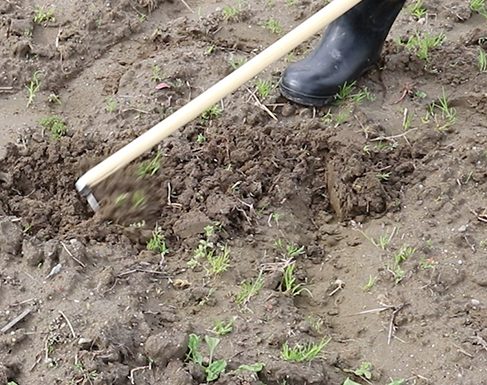
A Japanese hand hoe works with a pull, not a chop. The nejiri gama, the most famous Japanese weeder, slides a thin stainless blade just under the soil and cuts weeds at the root. Next to it hang wider, curved and triangle hoes, a stand-up nejiri hoe and claw cultivators.
10 tools on this peg
Bestseller
4.8(257)
$16.00
 Classic pattern
4.6(1,544)
$26.88
 Wide blade
4.5(102)
$17.00
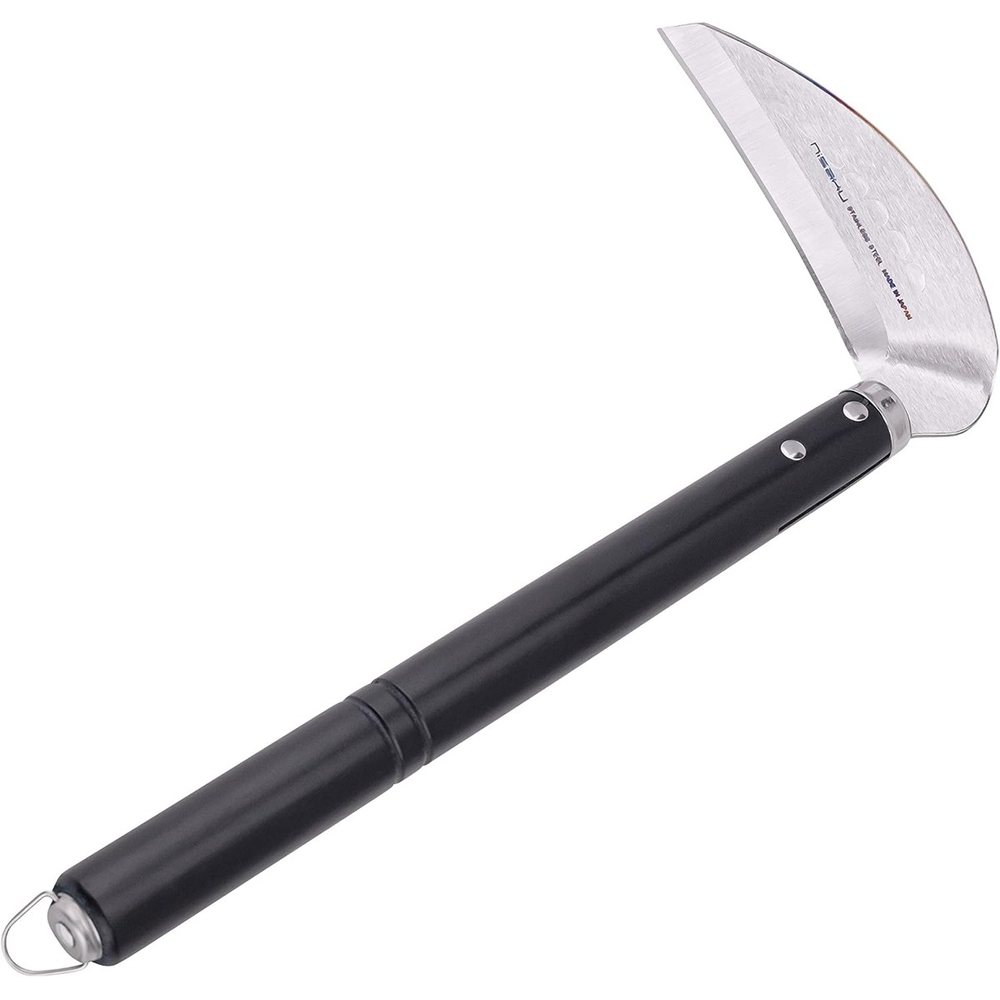 Curved blade
4.4(97)
$16.00
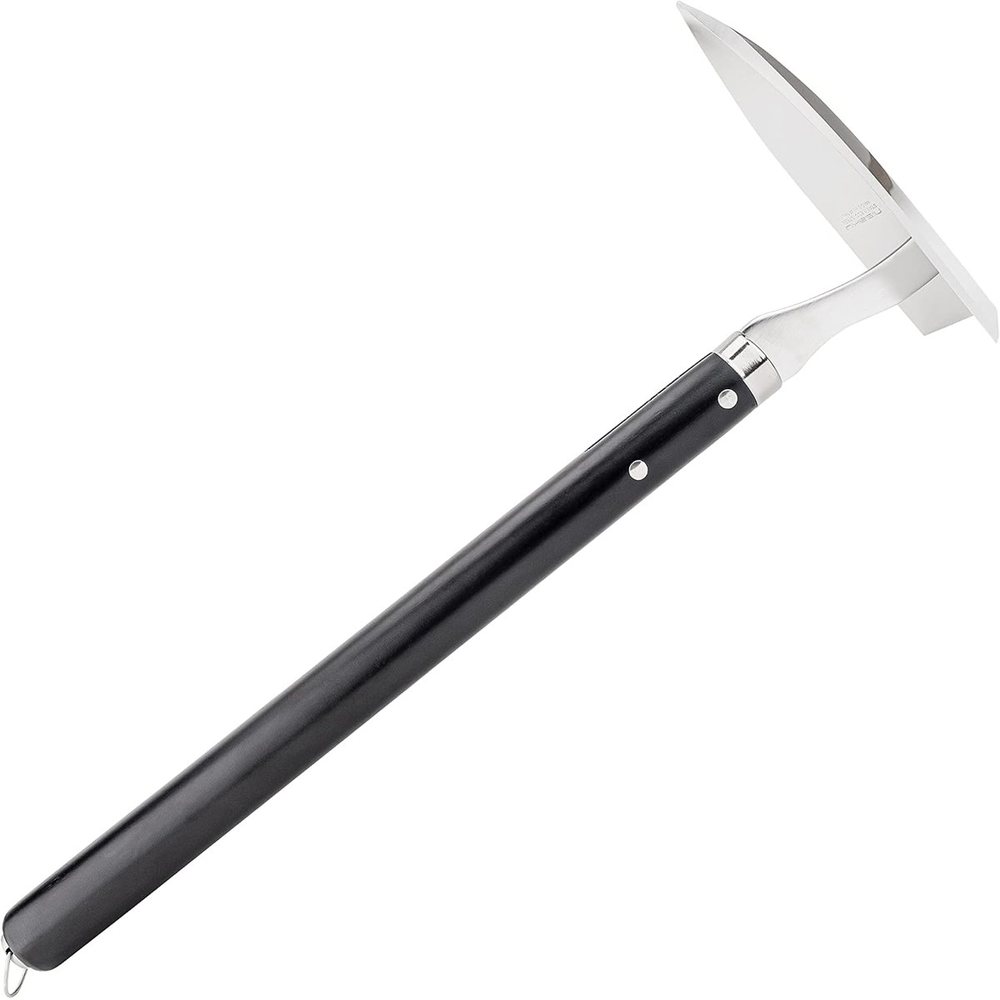 Pointed tip
4.7(129)
$21.00
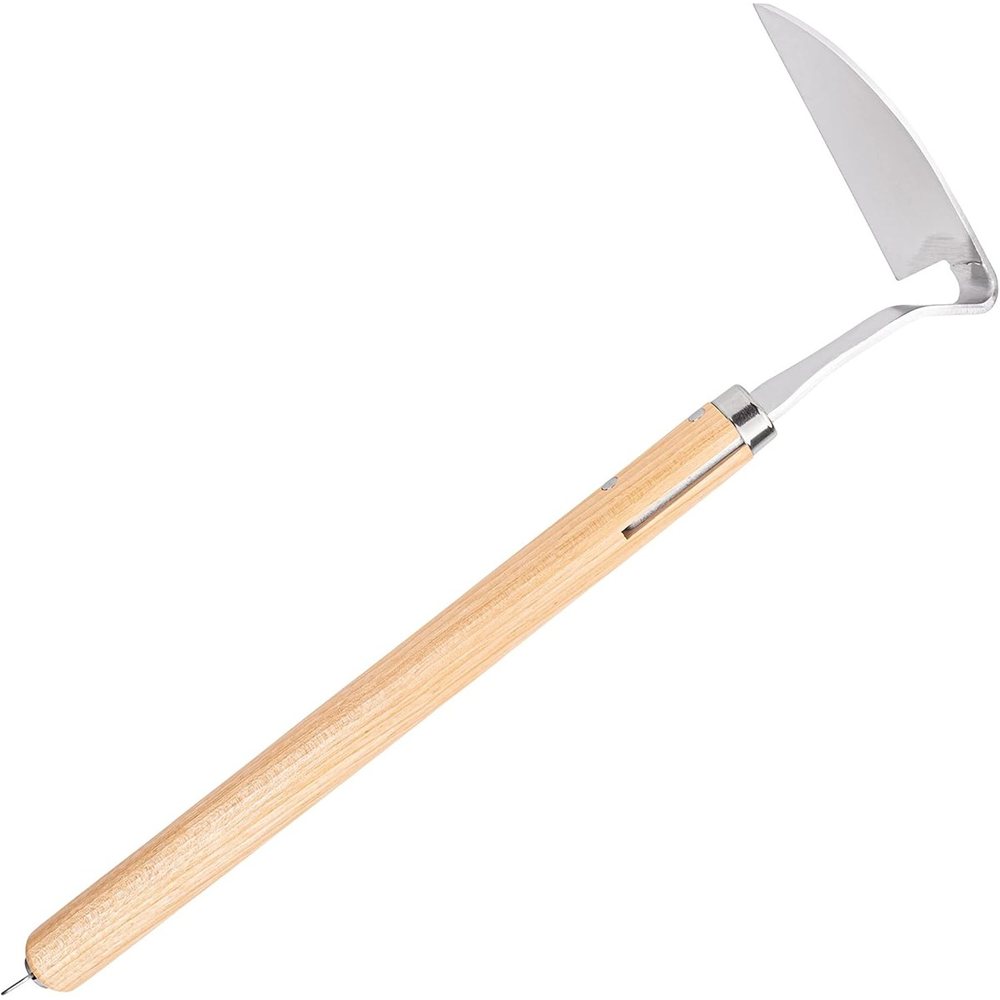 Stand-up hoe
4.5(388)
$55.00
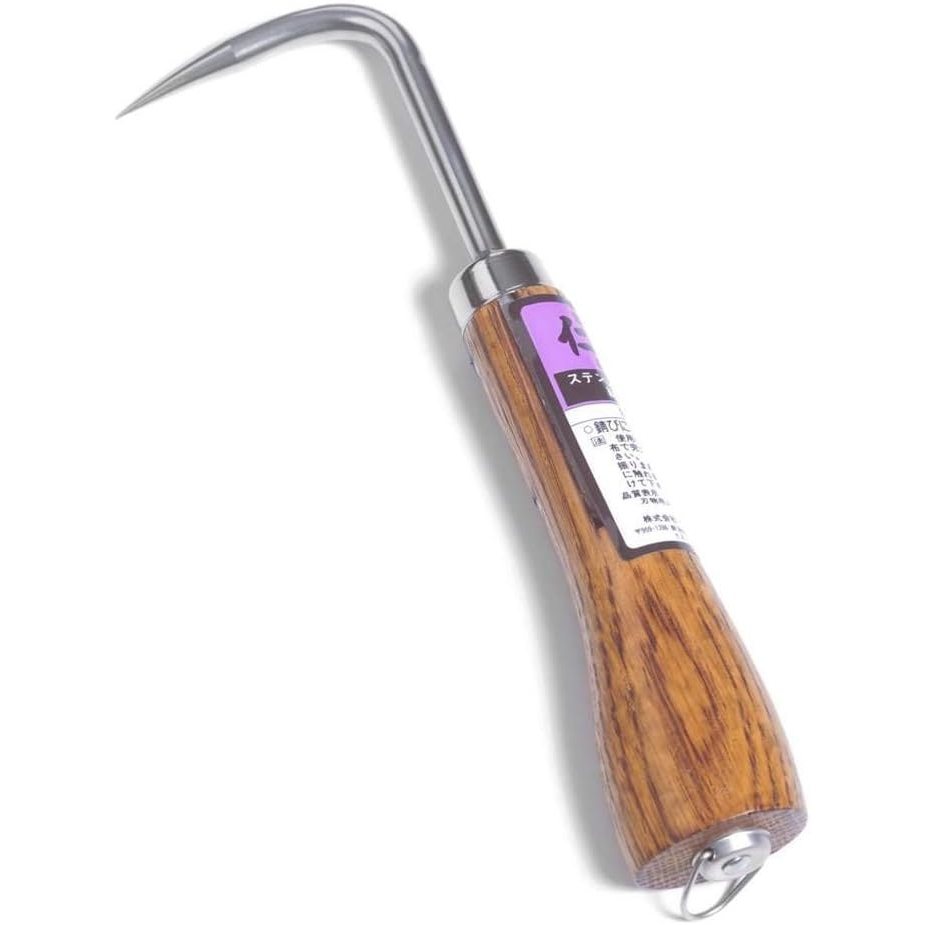 1 tine
4.4(26)
$18.00
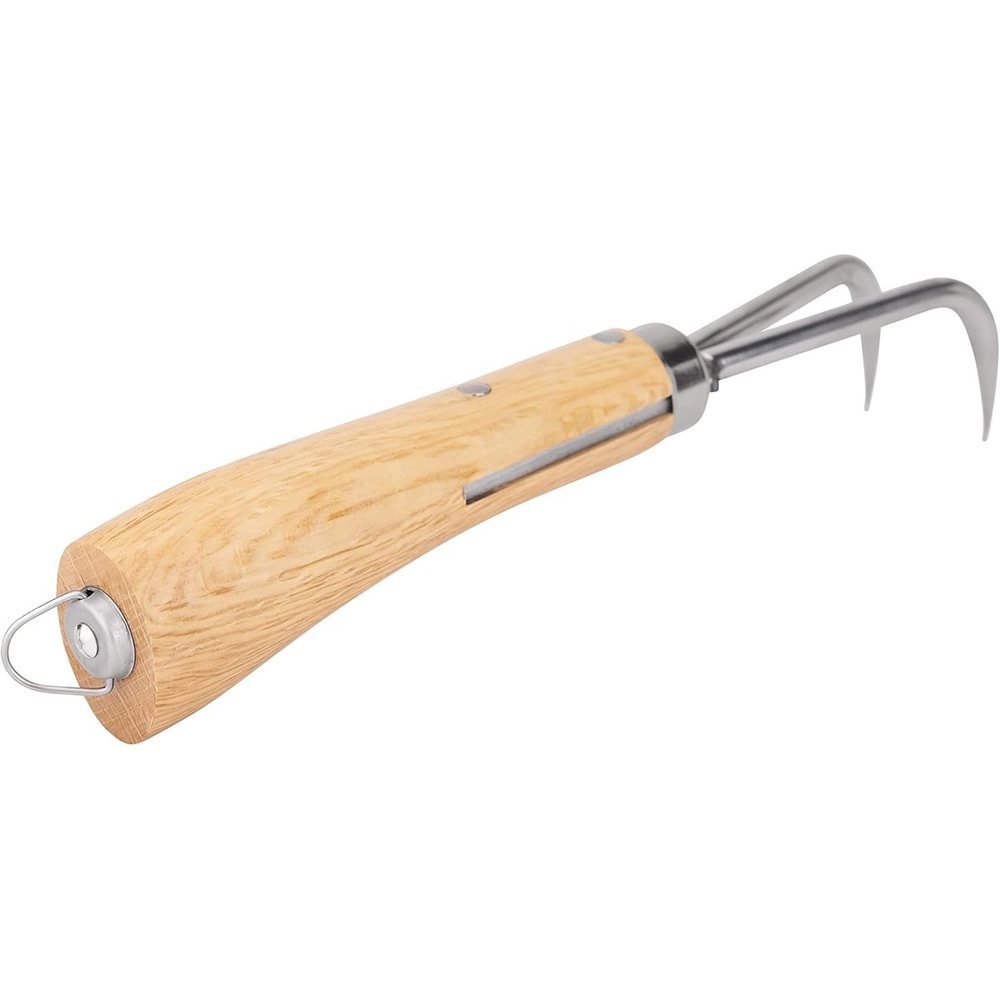 2 tines
4.7(34)
$19.00
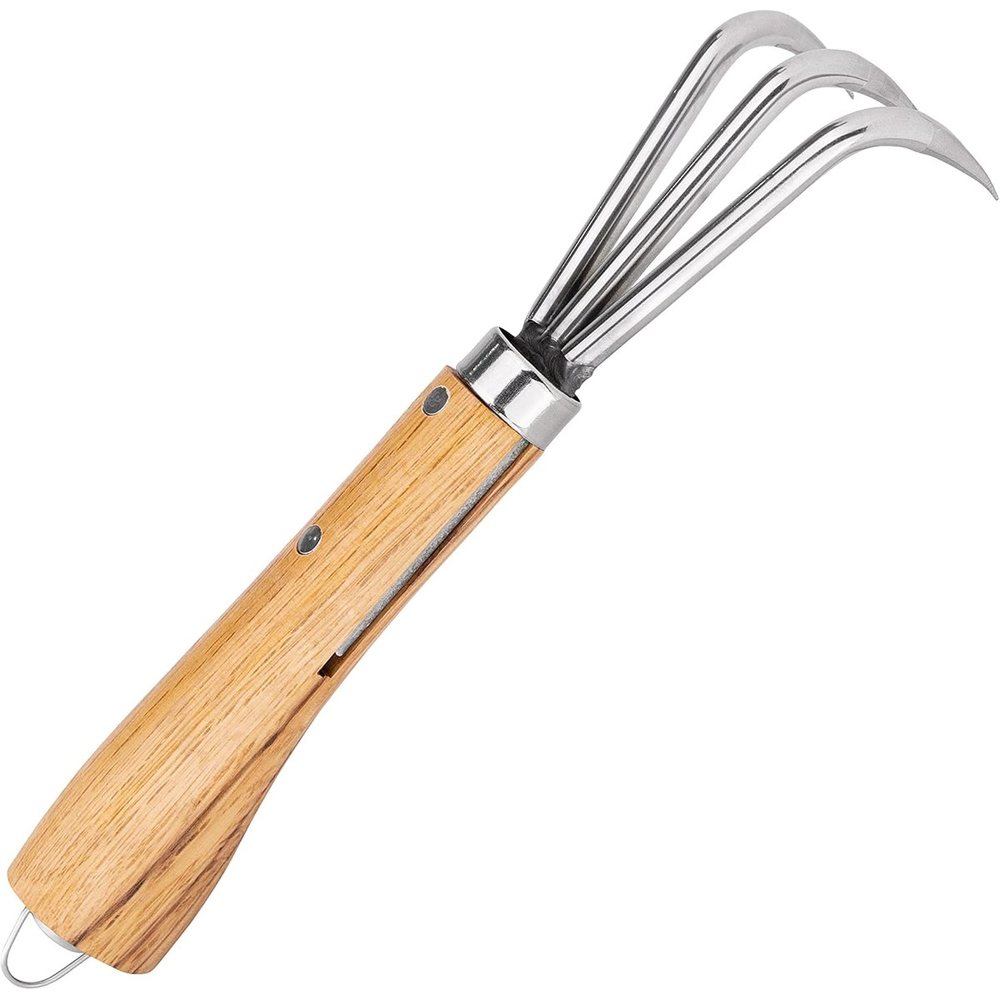 3 tines
4.5(85)
$21.00
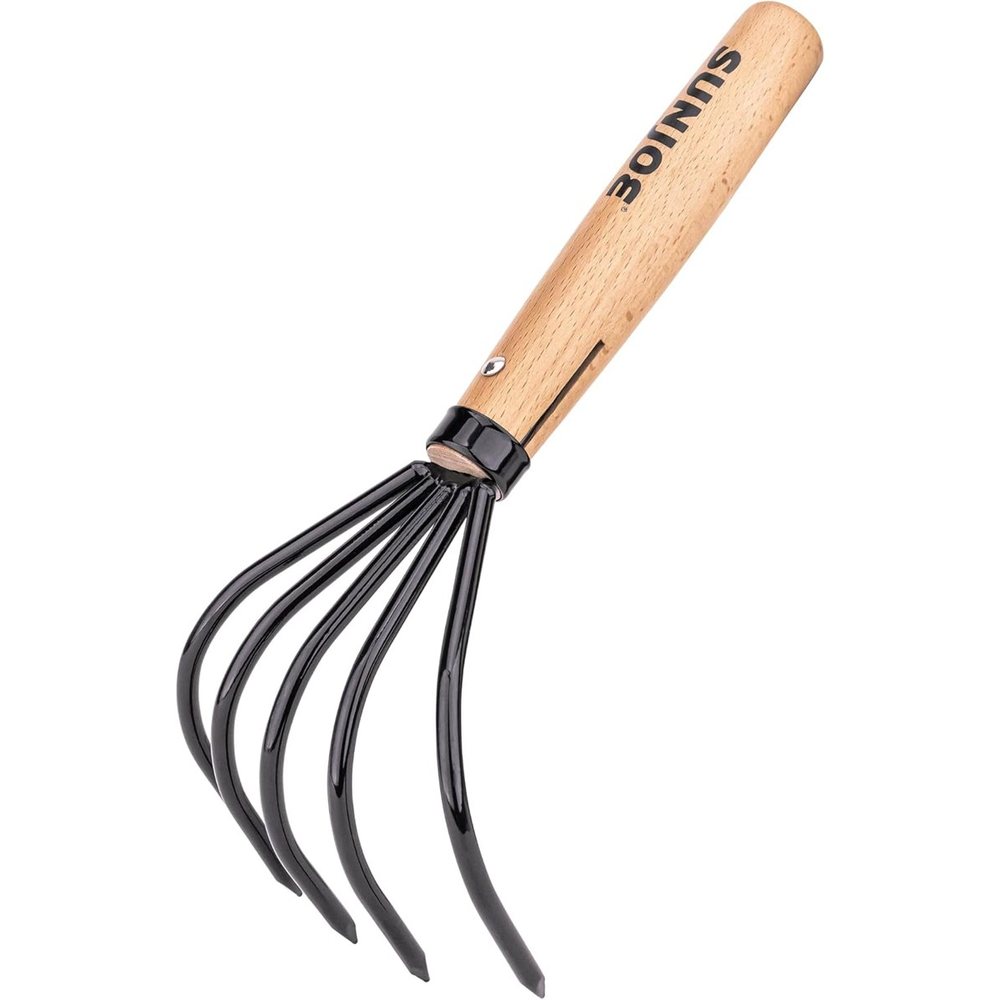 5 tines
4.7(607)
$15.78
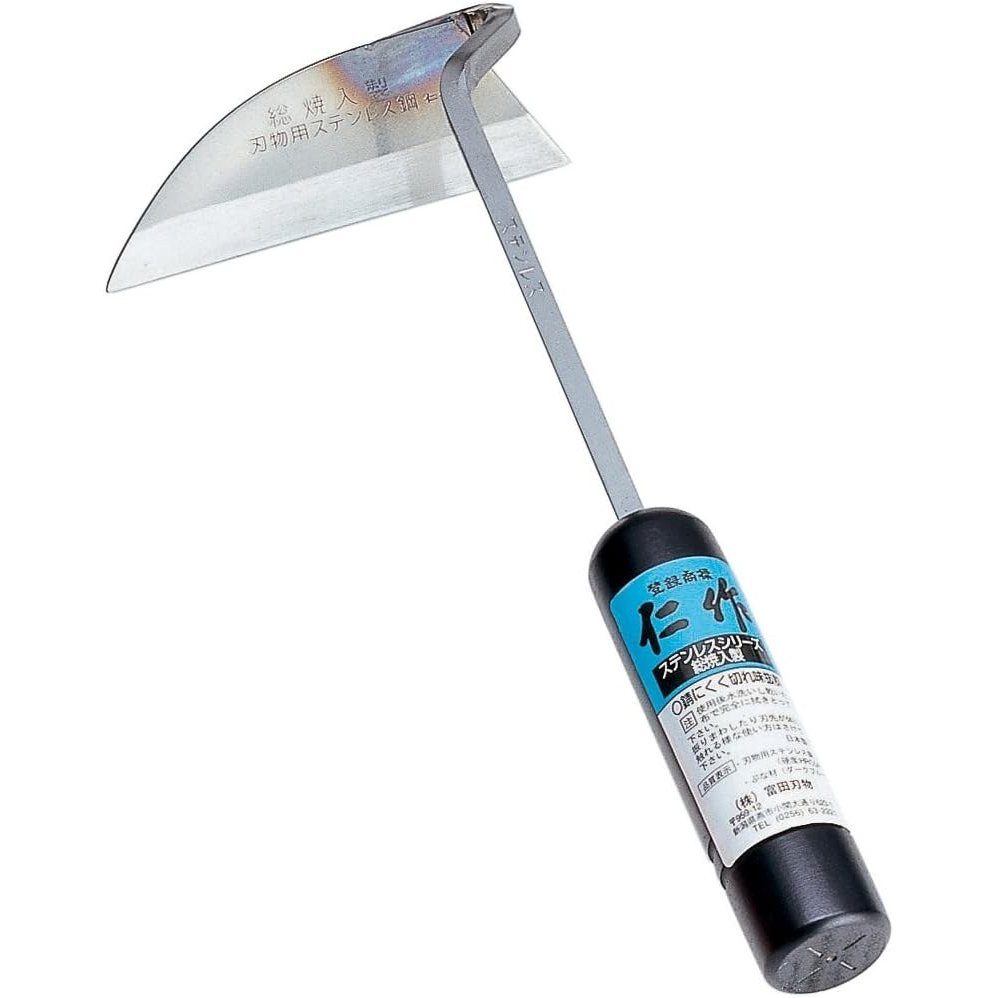
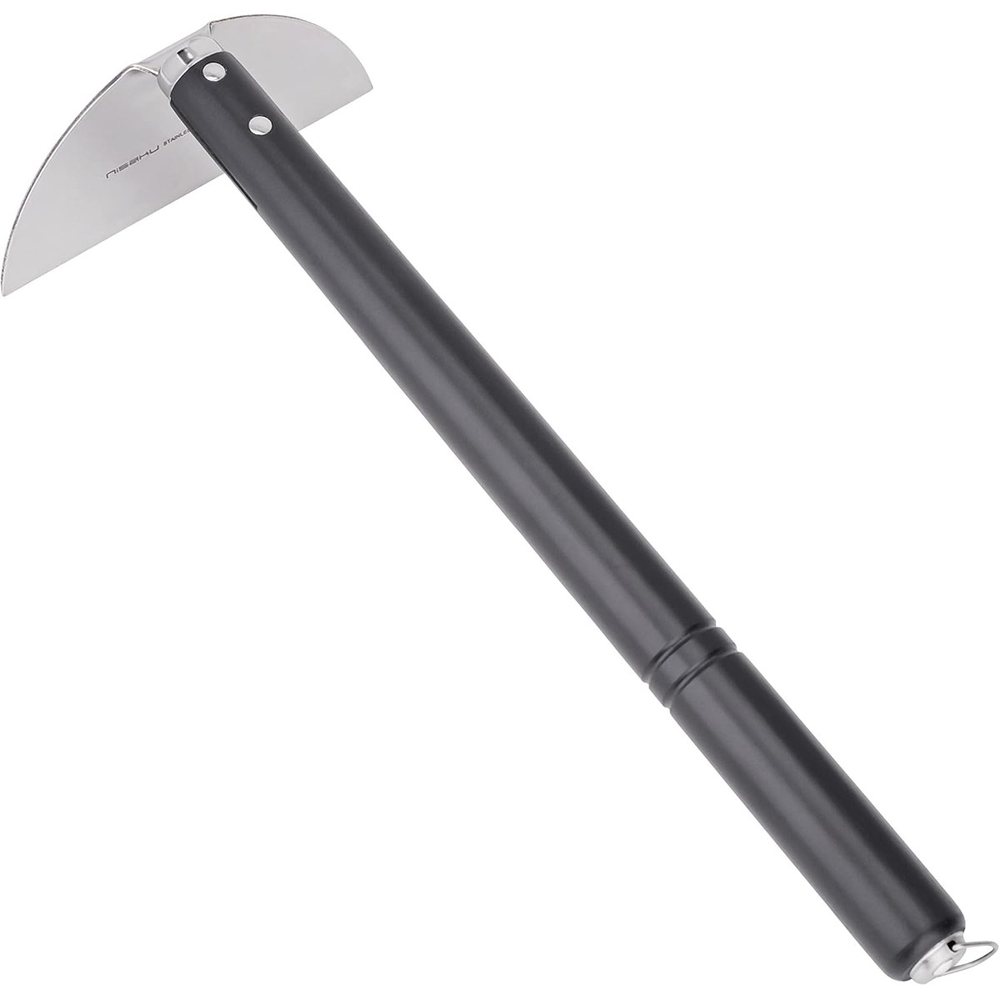
For precision weeding in beds, the NJP100 nejiri gama has a 4-inch blade on a short handle. The NJP110 kusakaki has a wider 4.75-inch blade for clearing ground fast, the NJP115 kogama a curved blade that also harvests, and the NJP178 triangle hoe a point for furrows and rocky soil. The NJP1010 puts the nejiri hoe on a 41.5-inch handle so you can weed standing up.
The nekaki claws come with one, two or three 1.5-inch tines and loosen crusted soil, mix in compost and lift weed roots. The kumade, the five-tine bear claw, rakes debris from under shrubs and aerates soil around perennials. All are made of Japanese steel on wood handles.
For most beds the nejiri gama is the best hand hoe for weeding: its angled, sharp blade cuts weeds just below the surface with a pulling stroke. For a wider area, choose the kusakaki.
Hold the blade almost flat to the soil, set the edge just under the surface, and pull toward you. The weed is cut at the root line without turning the soil.
If you weed long rows or prefer not to kneel, the NJP1010 semi-long nejiri hoe lets you work standing.